

A City of Sweetness, Each in Its Time.
Tainan is often remembered for its sweetness. Stay a little longer, however, and sweetness begins to reveal itself beyond the seasoning of a dish. Morning-market sweet soups, afternoon black tea, fruit after dark — each takes a different form, and arrives in its own time.

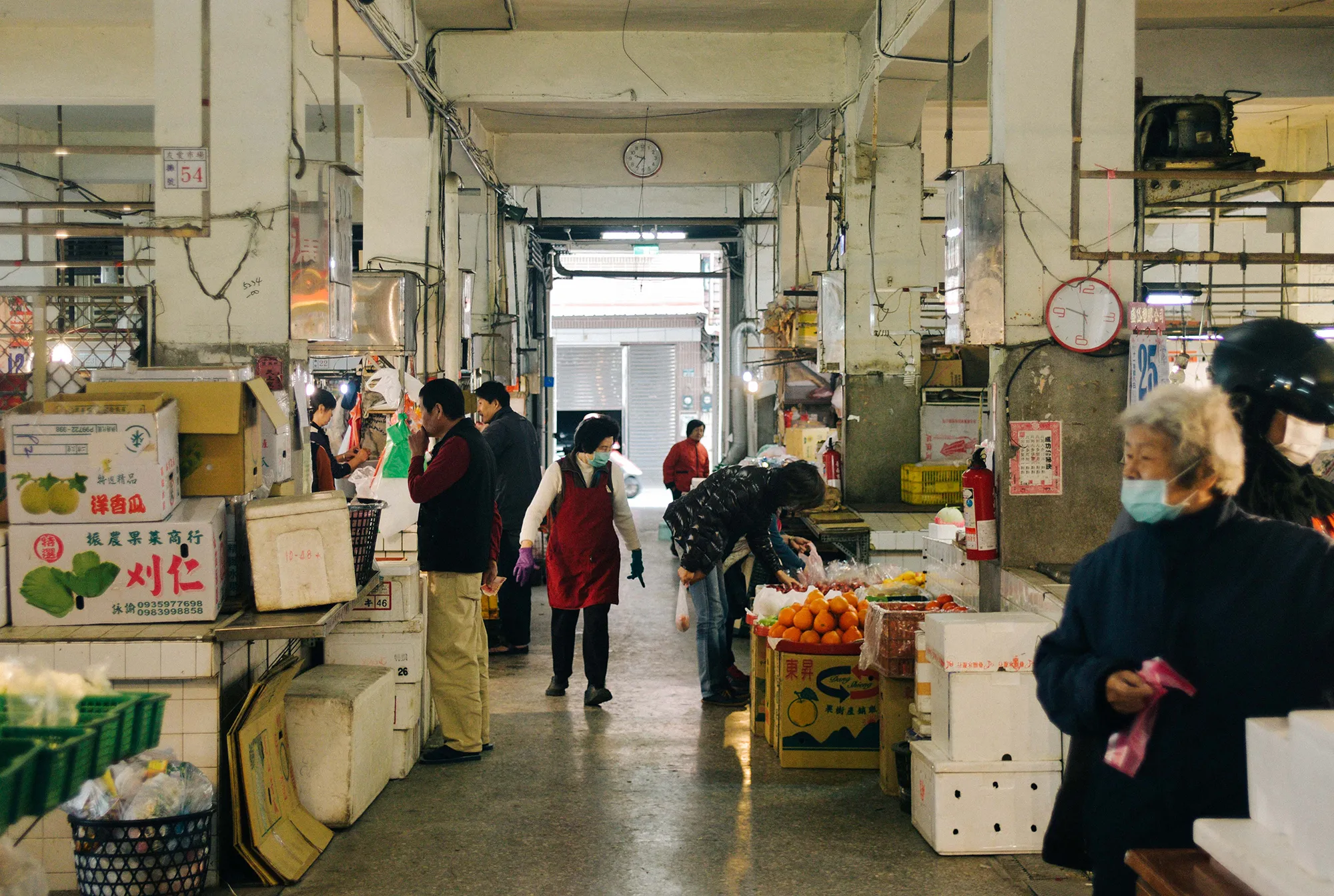
Traditional sweet soup is an everyday presence in Tainan’s morning markets, and You’ai Market is no exception.
At You’ai Red Bean, a few chosen toppings, syrup and shaved ice make a simple bowl of sweetness. Agar jelly and tapioca jelly are among the limited daily favourites. Some stay for a bowl; others take one with them. Here, sweetness needs no place at the end of a meal. It simply begins with the market.
By afternoon, sweetness can be as simple or as considered as you please.
\Toward Zhongzheng Road, Shuang Quan serves only black tea — Tainan’s old-school answer to afternoon tea, and a little happiness for pocket change. Even the ordering comes with its own local shorthand: “normal” means full sugar; “salty,” half.
For something a little more considered, there are plenty of choices. At Chun Yi Ren, traditional Job’s tears are paired with matcha or shiratama, bringing Taiwanese and Japanese flavours together in the same bowl. At Washida Coffee Roaster, a warm toasted bun holds sweet red bean paste and a cool baton of salted butter — hot and cold, sweet and savoury, in just the right balance. Or stop by shiqu for a scone or fruit-and-cream cake, freshly baked each day. With a pastry case full of choices, deciding what to have may be the hardest part.

Qing Ji Fruit Shop opens at noon, though in Tainan, fruit is often saved for after dark.
Walk through Lane 115 of You’ai Street toward Fuqian Road, and sitting down to a plate of fruit in the evening is a familiar nighttime ritual. We have always thought of Tainan’s fruit shops as a kind of “fruit select shop”: knowing what is at its best and which flavours belong together is part of each shop’s own sense of taste. Fruit, perhaps more than anything, keeps to the seasons. Strawberries, native mangoes, grapes — each arrives in its own time, while juices, shaved ice and fruit plates shift accordingly. Sometimes, eating fruit here feels like tasting Tainan at this very moment.
Other sweets ask for more patience.
From Thursday through the weekend, crêpes appear after dark. Batter meets the griddle; butter and sugar warm into the air. Soon, a line begins to form — a familiar weekend scene traced by scent. Xin Yi Cheng’s garlic twists require a longer wait: until winter. Most of the year, the owner is occupied with noodle-making. Only when work eases with the season does she return to this labour-intensive handmade treat. Crisp lengths of fried dough are finished with garlic and powdered sugar, or brown sugar and sesame — a taste particular to winter.
Sweetness also finds a place within U.I.J.
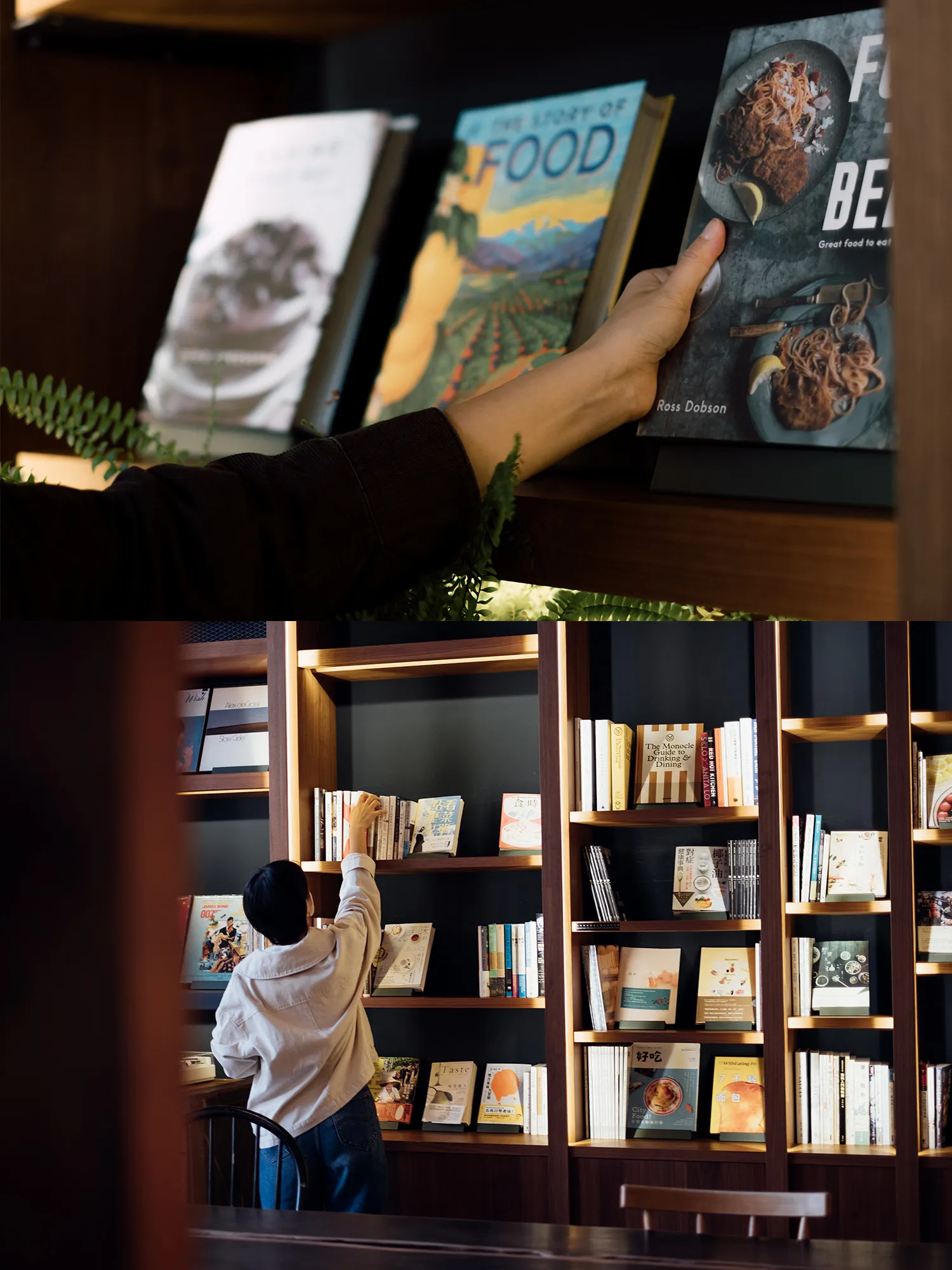
In the lobby, BBBooks remains open around the clock. Its Chinese name, But But Books (粅粅書), comes from the Taiwanese tiⁿ but-but (甜粅粅), an expression for sweetness. Yet its shelves move well beyond the sweet: through cooking and ingredients, food culture and education, and the histories and economies that shape the way we eat.
Follow sweetness through the streets around You’ai, then return to the lobby and open a book at BBBooks. Sweetness is only a point of departure — an invitation to look more closely at the culture of food. Because when we talk about what we eat, we begin to talk about everything else.


.svg)